
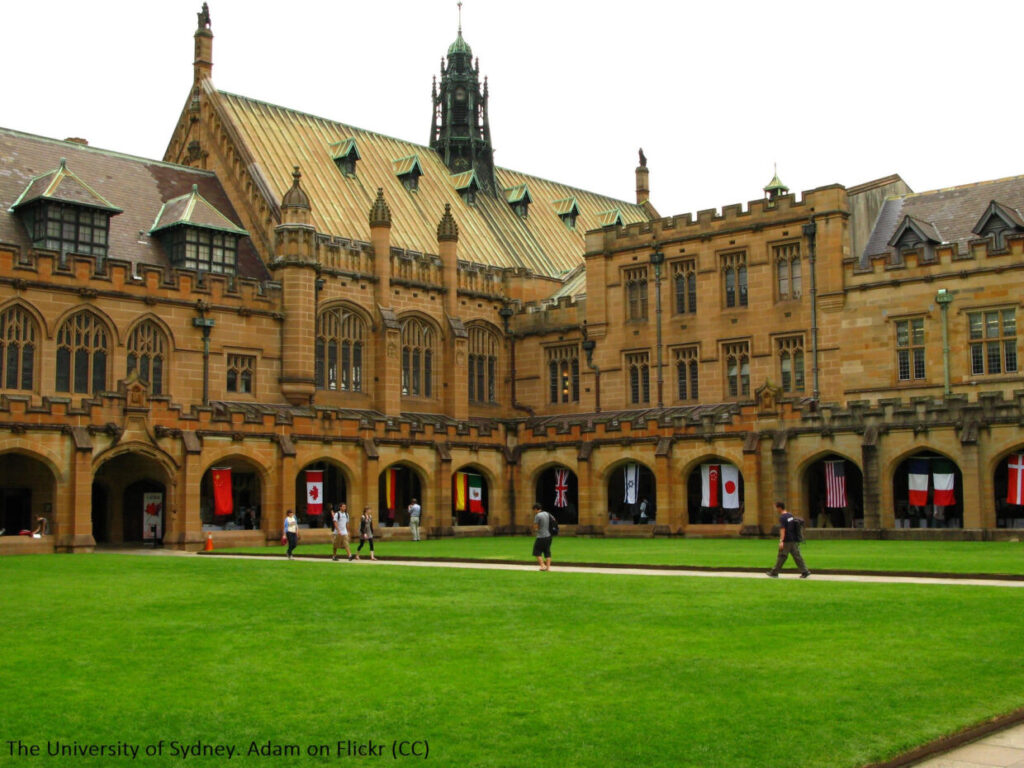
Survey results are in and stakeholder engagement is open

By Dennis Venter
Dennis Venter is an activist, content creator, and Integral Economist. He is the Curriculum Reform Project Lead at Rethinking Economics Australia and the founder of the Institute for Integral Economics and the Dynamic Approach (IEDAE) where he is working on developing dynamic first principles for real-world economics. Dennis completed a bachelor’s degree in economics from the University of Pretoria and his further research interests include Complexity Economics and the History of Economic Thought.
We kicked off our curriculum reform efforts with a successful student survey and made a strong start engaging with professors and experts in planning for a comprehensive curriculum review study. These two projects are laying the groundwork for our eventual goal of providing an online educational module to supplement undergraduates’ mainstream economics studies.
Project 1: Student Survey
Moving responses started pouring in from students across Australia. Students feel that they are not being listened to; they are experiencing a disconnect between what they would like to use their degrees for and what they are being taught in class.
However, on the positive side, there were many glimmers of hope. Students exposed to heterodox subjects were praising their degrees and were excited for their futures. In promoting the survey, we have also crossed paths with activists and professors who have been eager to promote our survey in their classrooms and have taken an interest in our next project.
Project 2: Curriculum Review Study
We are currently profiling economics courses in Australia and engaging with stakeholders such as professors, activists, and experts from across the world for inputs on curriculum reform.
We have learned of incredible efforts by people who are passionate about building a new economics curriculum, and meaningful relationships are starting to form between ourselves and these stakeholders.
Most inspiring were the efforts of Gabrielle Bond, CEO of Modern Money Lab, and Professor Steven Hail at Torrens University in South Australia. They have teamed up with people like Stephanie Kelton and Fadhel Kaboub to design a brand new suite of courses based on Modern Monetary Theory and ecological economics.
The suite includes a graduate certificate, a graduate diploma and a master’s degree in Economics of Sustainability, with a doctoral program offered to suitably qualified applicants.
Reviewing these courses led me to reflect on the changes that have taken place since I completed my own undergraduate degree. To learn about heterodox perspectives, I relied heavily on the Exploring Economics e-learning platform. There, I eventually became involved as an editor, researching and uploading the most important resources for others to learn about economic perspectives beyond the orthodoxy.
However, as Prof. Hail explained the content of their course to me, he touched on many vital topics that I recognised from Exploring Economics. For example, he believes in starting economics education with a discussion on the philosophical foundations behind economics, in seeing all economic activity as embedded in the ecological system, and in teaching students about the various economic perspectives. I was also appreciative of the Behavioural Economics module’s completeness; it included a variety of perspectives on behaviour up to the latest contributions from Gerd Gigerenzer on heuristics.
This was the first of many courses that will eventually be profiled in our study.
“We are training a new generation of economists equipped to solve the problems of the 21st century,” Gabrielle said. “Our graduates will take up positions in Australia and around the world. They will make positive contributions to reshape our financial and educational institutions, develop policies, and transform our economies to work for people and planet”, she said proudly before introducing me to one of the students.
Andrew Walsh was one of the first to enroll in the course. He was initially studying toward a mainstream economics degree but made the switch and hasn’t looked back since.
Andrew is also working as a high school economics teacher where he witnessed, even at school level, students’ eagerness to learn about economic perspectives that shed light on real-world issues and the history of economic thought.
He explained how most teachers, similar to academics in university departments, just don’t know about alternatives, so they teach the same old ideas year after year. Those who do know of alternative perspectives cannot really go off script too far before they are reeled back in by the curriculum. Andrew made it his goal to be part of any discussions about the review of the high school economics curriculum in the future.
Project 3: Educational Resource
Our final goal is to provide an online educational resource to fill the gap identified by our survey and review study.
Those whom we engage with over the coming year will likely be part of the discussion when we reach this step, and so can you. On our research page, you can read through the curriculum review studies of other groups and provide feedback on what you think we should do differently.
Look out for our survey report to be published early in 2023 and keep an eye on our website for our prize draw (10 January 2023) where three lucky people will receive a book prize each for responding to our survey.
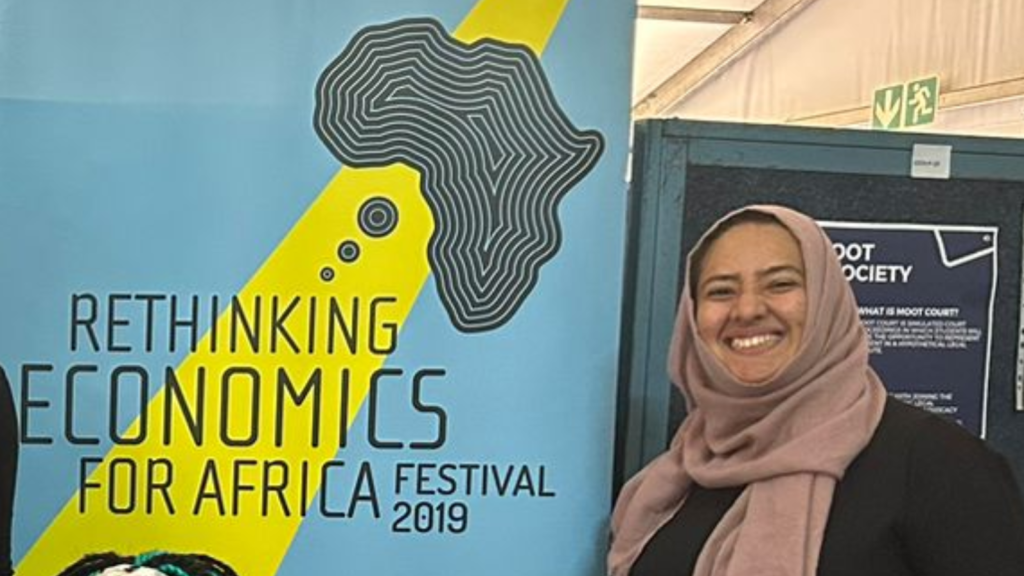
‘If you want to change anything, you need to look at the economic structure’
In this impact story, Amaarah shares her journey through the movement, starting out as a student organiser, and going on to become a leading voice who’s shaping the movement’s future.
Thursday 19 November 2026
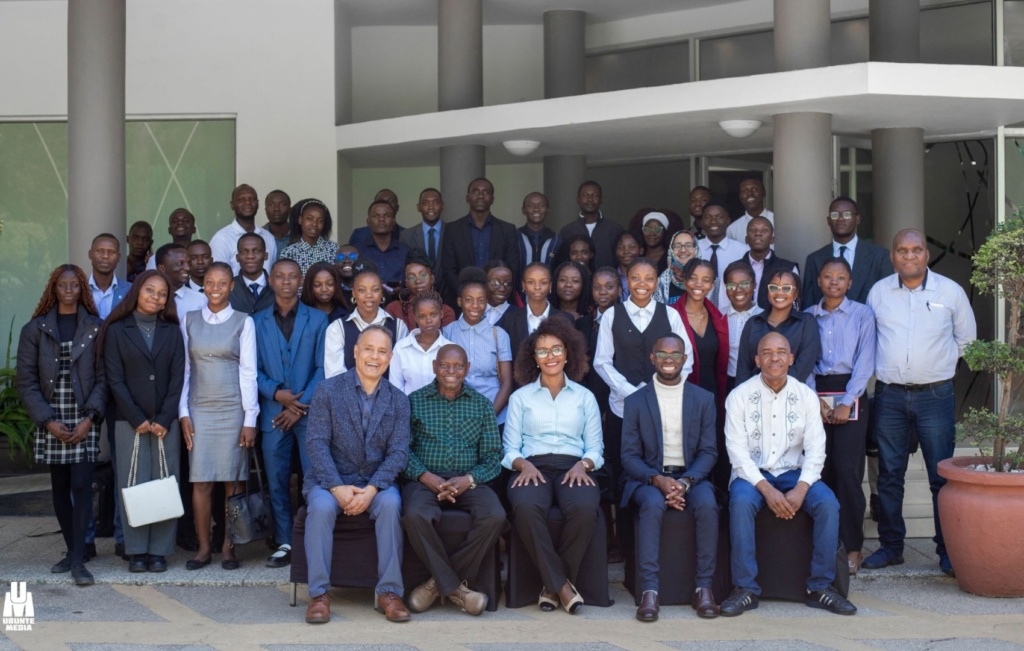
Measuring What Matters: Inclusive and Sustainable Growth Beyond GDP
Reporting from this summer’s Beyond GDP conference in Lusaka, Thomson captures the lively debates behind the growing conversation about how Zambia can measure progress beyond economic growth.
Wednesday 7 October 2026
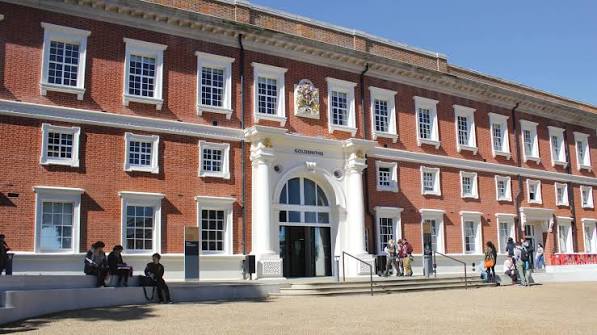
Teaching economics with a gimlet eye: PPE at Goldsmiths
Course convenor Paul Gunn reflects on how the unrest that followed the financial crash helped inspire a new Politics, Philosophy and Economics degree.
Wednesday 30 September 2026