
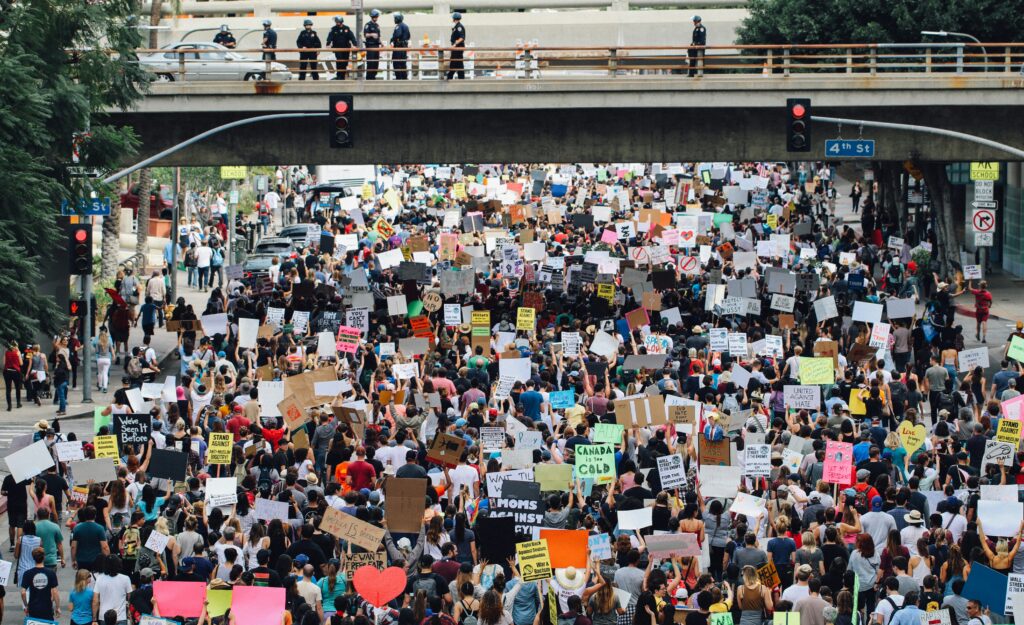
The world is slowly burning, and we cannot afford to stand idle and watch,
we must wield the tools at our disposal
Capitalism’s omnipresent grip on the world has resulted in a global script of political
retaliation and economic recessions worldwide. With the world burning down from Togo’s protests against an authoritative regime trading resources in exchange for French
economic aid, to Nepal’s protests over inflation and high fuel prices, to Australia’s
climate crisis protests against mining and wildfire, and France’s mass resistance to
pension reform, global unrest will continue to grow. This exemplifies capitalism as a
brutal system of economic control that severs the economic elite from those at the bottom
of the hierarchy, while marking its dogmatic orthodox economic practices, as an
economic necessity.
In a world where the environment is burning, economies crash, and prices surge, the
urgent need to rethink what our economics values must be redirected to use alternative
measures for economic “booms”. Feminist economics, for example, serves as an
alternative that underscores the importance of care, justice, equality and equity.
The practice of orthodox economics prevails under the guise of growth-first principles
that exacerbate inequality amongst the rich and the poor. Such is the case of South
Africa, and the overdependence on austerity measures that transmit public debt to the
chronically poor working class. The tragedy of capitalism is exemplified by how it harms
even those it is meant to benefit. The case of Togo, Burkina Faso and France are closely
linked because France has continued to operate as an active neocolonial, imperialist,
extractive, capitalist state that has looted former French colonies. Now that the world is
waking up to the aggressive, overly-dependent nature of imperialist capitalism, the
French government is attempting to penny pinch the French public to preserve the wealth
of the elite.
The depose of heterodox economics is linked to the exploitation of extortionist labour
practices, and resource extraction of mainly global South economies. The issue around
orthodox economics is how it reinvents itself as the solution to problems it has created.
Mainstream economics depends and defends power cultivated by capitalism through deregulation, and privatisation, often at the cost of transformative economics that defends
the integrity of life.
An alternative approach to cleansing world economies of capitalist, and exploitative
economic measures is through adoption ecological economics and decolonial economics.
Ecological economics focuses on using sufficiency and sustainability-based metrics to
measure economic growth, moving beyond using Gross Domestic Product (GDP) as the
anchor for economic growth. Decolonial economics is grounded in localised systems that
take historical, and cultural context, and social circumstances into consideration.
An example of decolonised economics is resisting International Monetary Fund (IMF)
dogmatic economic policies that worsen the socioeconomic inequalities for the benefit of
Western, imperialist economies, at the cost of global South economic growth. An
approach to ecological economics is adopting African Indigenous Knowledge Systems
(AIKS) as a regional, community-based tool to global South economies. This is a step
towards achieving collective justice for environmental degradation by adopting unique
systems that aim to preserve the sanctity of the environment.
Additionally, ecological and decolonial economic approaches are centered on building
frameworks based on care for the environment and confronting the injustices of capitalist
and imperialist global networks. Resisting capitalist prescriptions is recognition that the
wildfire of orthodox economics needs to be contained and transformed through collective
action.
A step towards collective justice and liberation is sharing educational resources through
local networks. Through building strong networks across academic disciplines,
alternative economic frameworks can be adopted into mainstream economic modelling.
A part of me is hopeful of a future where economics changes from being a tool for
capitalist reproduction, but regenerates itself as a tool for liberation and social justice.
As the world continues to burn down, my hope is that we can gather the ashes as a
reminder of the mistakes made,and to rethink a better future for our global environment.
Although change is slow, and progression can only be measured in the years to come, our
commitment to sustainable change must be measured by collective resource-sharing, and
cross-collaborative efforts to call out global powers to halt the soulless extraction of our
environment.
The cycle of grim news headlines can become paralysing. But what if the restoration of
justice, care and collective liberation is found by cutting through the noise of simple,
dogmatic narratives to understand the complex realities of conflict?
This is the mission of the Rethinking Economics for Africa student-chapter at the
University of Johannesburg. Join us and move beyond passive calls to action, into active understanding of the history behind the conflicts in the region. It’s an invitation to learn, engage and stand in solidarity.
Join the conversation. Choose hope through active engagement, and hope through action.
Photo by Alex Radelich on Unsplash.
Contributors
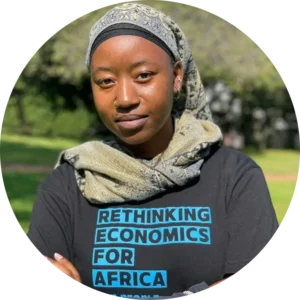
Lindiwe Ayanda Khumalo
BA student pursuing a triple major in Politics, Economics, and Technology at the University of Johannesburg
Share this article
Measuring What Matters: Inclusive and Sustainable Growth Beyond GDP
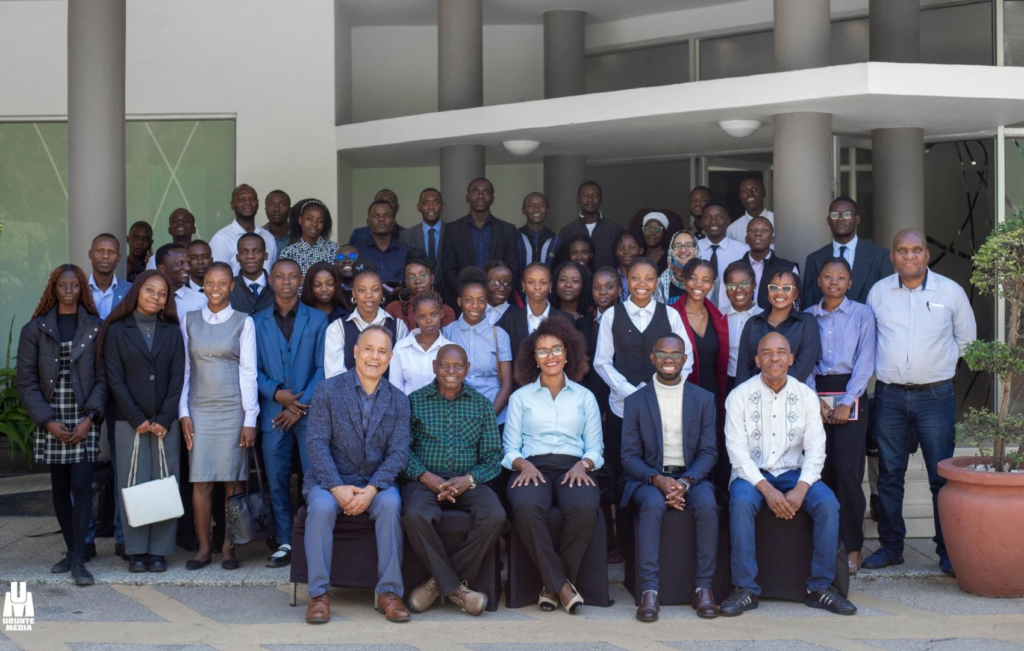
Participants came from public and private Universities, think-tanks, and research institutions namely Mulungushi University (MU), the Copperbelt University (CBU), Kwame Nkrumah University (NKU), ZCAS University, Information and Communication University (ICU), Cavendish University Zambia (CUZ), the University of Zambia, Kabwe Institute Of Technology (KIT), Amin Centre for Policy Research, and United Nations Zambia Youth.
Wednesday 7 October 2026
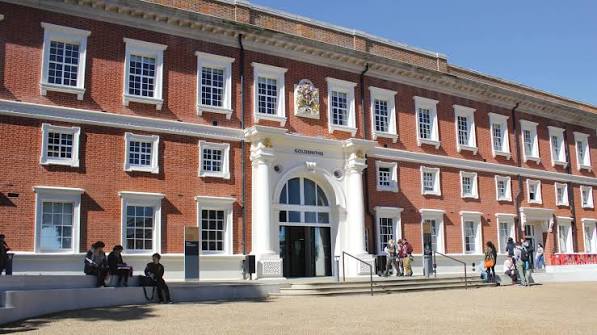
Teaching economics with a gimlet eye: PPE at Goldsmiths
What does it take to rethink how we teach economics? Paul Gunn, convenor of the Economics, Politics and Public Policy BA programme at Goldsmiths, University of London, reflects on how the unrest that followed the financial crash helped inspire a new Politics, Philosophy and Economics […]
Wednesday 7 October 2026
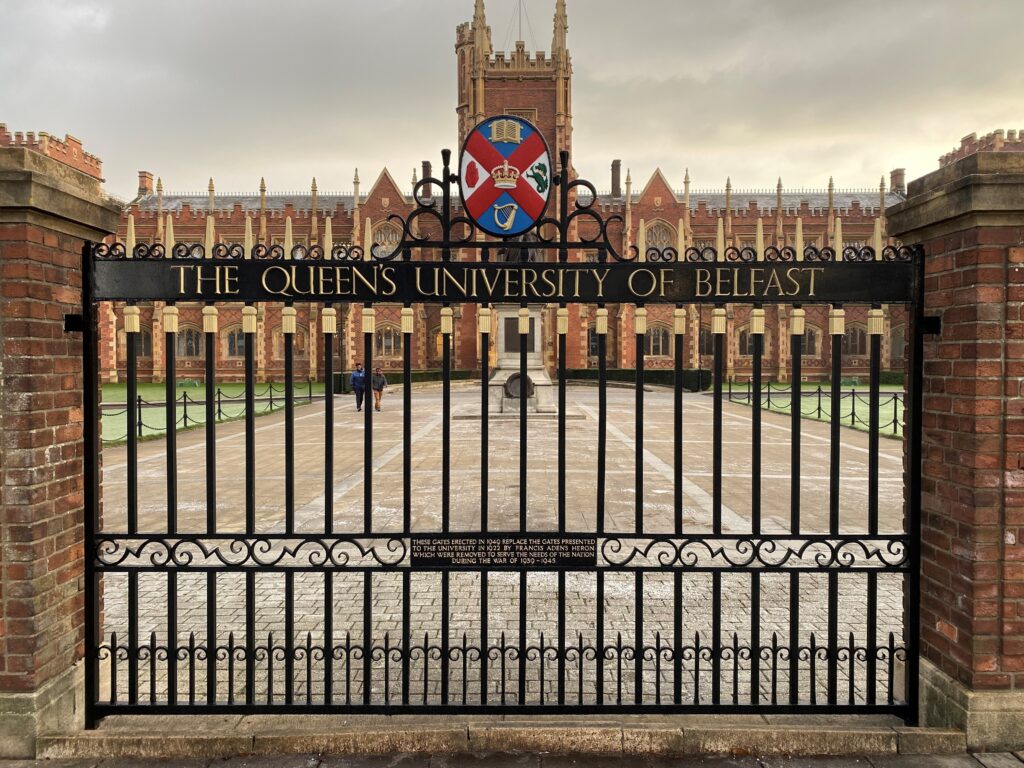
‘Why Should Democracy end at the seminar room door’?: Political Economy Education, Care and Intellectual Promiscuity
What does it take to rethink how we teach economics? John Barry, Professor of Green Political Economy at Queen’s University Belfast, explores what happens when we start by asking students what they want to learn, responding to their needs, and embracing the value of systems […]
Wednesday 7 October 2026