

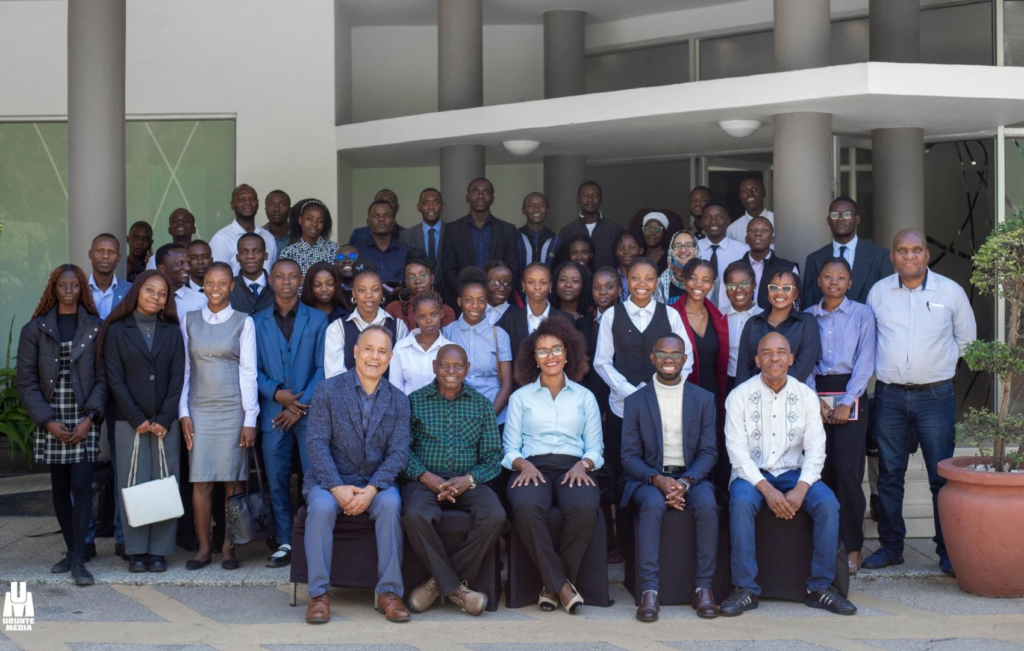
Can Zambia move beyond GDP? Reporting from this summer’s Beyond GDP conference in Lusaka, Thomas captures the lively debates, strong views and high energy behind the growing conversation about how Zambia can measure progress beyond economic growth.
The framework to move beyond Gross Domestic Product (GDP) remains one of the most critical and urgent concerns of this century. The emergence of discussions, taking place within developing and developed economies alike, is an urgent call to nations around the world to rethink, reclaim and reimagine what development means. It is of paramount importance that young people, especially students, are a part of this global debate.
The Beyond GDP conference in Lusaka, Zambia, sought to tackle this challenge head-on. Student and young activists from across the country were invited to challenge the dominance of the GDP framework, understand the momentum, from both a country and United Nations perspective, to move beyond GDP and reflect on the opportunities and challenges this presents for Zambia.
The conference was organised by the International Institute for Sustainable Development (IISD), Rethinking Economics Zambia and the University of Zambia department of economics with support from International Development Research Centre (IDRC), Rethinking Economics International (REI), and Rethinking Economics for Africa (REFA).
A cautionary tale of GDP
We started with students exploring the history of GDP as developed by Simon Kuznet in the early 1930s as a tool for capturing national production for nations in mainstream economics. The limits of this approach soon became clear. Dr. Lydia Chikumbi of the University of Zambia showed that GDP cannot be seen as the sole indicator of economic development when looking at Zambia’s recent history. For instance, Zambia’s economy has recorded steady and positive GDP growth in recent years. In 2021, economic growth was growing at 6.2%, followed by 5.4% in 2022 and 4.0% in 2024. However, amid this fast economic boom, ordinary Zambians grapple with the high cost of living, high youth unemployment, and the effects of droughts and shortage of electricity (load shedding). This highlights how GDP is not a standalone framework that adequately reflects people’s well-being, environmental sustainability, or resilience.
Today, international organisations and governments across the globe define their benchmarks of economic success using GDP, and Zambia is no exception. However, this metric fails to capture the full story of people’s and the planet’s well-being and economic resilience.
Moving beyond GDP for a better Zambia
When young people are given the space and tools to engage with pressing, real-world issues, we are empowered to bring our lives and experiences into economics. Why does growth occur while having no impact on ordinary people? Why does GDP fail to show the distribution of income? Why is profit prioritised over people and the shared planet?
We know that alternative frameworks exist. For example, as Dr. Emmanuel Ndhlovu from University of Johannesburg articulated at the conference, Comprehensive Wealth, can provide a broader understanding of the national prosperity benchmark for Zambia, serving as a sustainable complement to the traditional GDP.
For Zambia, beyond GDP means quality education, employment opportunities, gender equality, poverty reduction and access to clean water. For cities like Kabwe, infamously named the world’s most toxic town, it means environmental remediation and justice for people, especially children to live in a clean and safe environment, access to meaningful healthcare, drink clean water, and protect their future.
Rethinking Economics Zambia is part of the global effort to explore alternative measures of progress. The search for meaningful human fulfilment and happiness, ensuring income equality and lasting employment in socially-useful work, the promotion of social cohesion and sustainability: these are the issues that will define Zambia in the 21st Century. Conversations taking place in United Nations corridors mirror these conversations, with the UN High-Level Expert Group soon to propose a broader set of indicators including well-being, equity, inclusion, sustainability, and resilience. We hope that international institutions will rise to meet this challenge.
At this conference, we interrogated these fundamental questions: Is economic growth translating into better livelihoods on the ground? Are our natural resources being used to generate fair, inclusive and sustainable benefits? How sustainable really is Zambia’s growth model? Does our education provide us with the tools to interrogate these questions?
These are the questions being asked in the global conversation. Zambia needs to think beyond GDP and about what it means to foster an economics which is for people and the planet through youth engagement, curriculum reform and progressive policymaking.
What next?
It is essential that young people, activists and students are able to critically engage in the global discussion around how we measure success. We are the generation that over the coming years will live through the crises of climate change and inequality. We need to encourage a genuine intergenerational dialogue and foster collective understanding about what young people want and need.
This starts with pushing our education beyond anachronistic debates around GDP. But it can’t stop at our textbooks. It needs to be complemented by examining and reviewing the key indicators that define economic success. The conference made clear that there is a need to change the conversation in our universities as well as the corridors of power and policy-making on what a sustainable Zambia looks like.
Contributors
Thomson Silomba
Thomson established the RE Zambia network and Mulungushi Liaise Economics Society. He is the current lead organizer and former president for MuLEs. Thomson empowered and inspired the leadership at Rethinking Economics Cavendish Society to be established and since 2022 has been a steering member from
Share this article
Topics
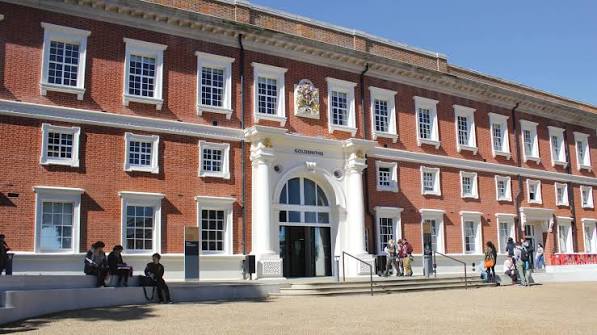
Teaching economics with a gimlet eye: PPE at Goldsmiths
What does it take to rethink how we teach economics? Paul Gunn, convenor of the Economics, Politics and Public Policy BA programme at Goldsmiths, University of London, reflects on how the unrest that followed the financial crash helped inspire a new Politics, Philosophy and Economics […]
Wednesday 7 October 2026
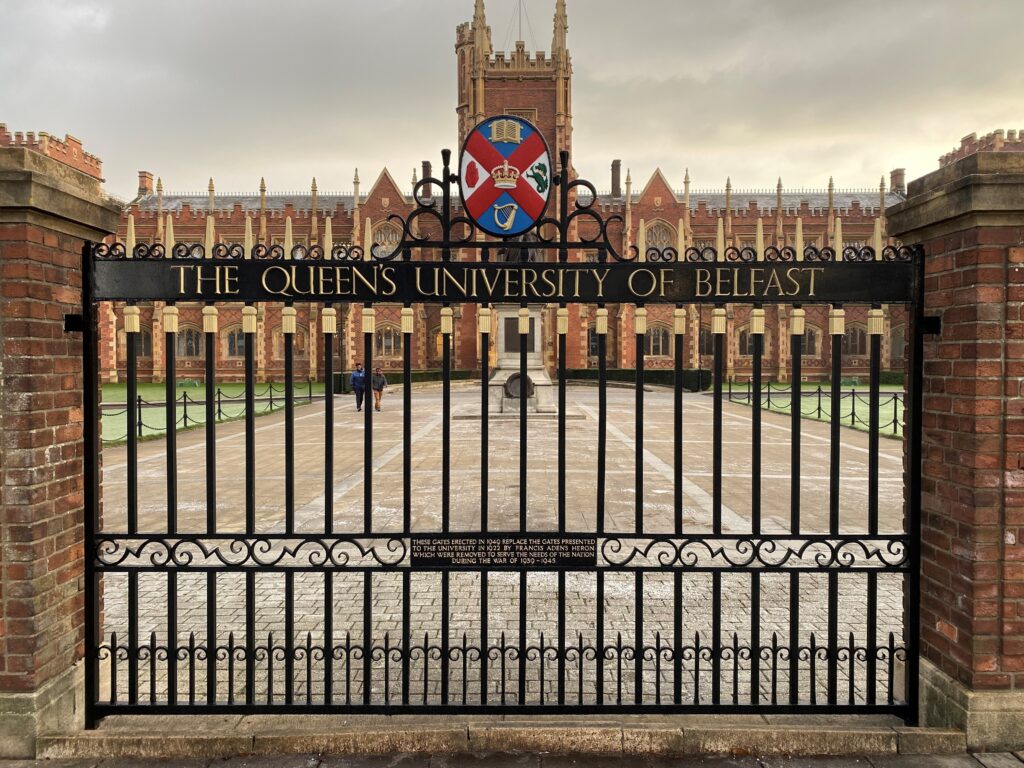
‘Why Should Democracy end at the seminar room door’?: Political Economy Education, Care and Intellectual Promiscuity
What does it take to rethink how we teach economics? John Barry, Professor of Green Political Economy at Queen’s University Belfast, explores what happens when we start by asking students what they want to learn, responding to their needs, and embracing the value of systems […]
Wednesday 7 October 2026
University of Leeds: Rethinking Economics All Over Campus
What does it take to build a new approach to teaching economics? Eric Kemp-Benedict, Associate Professor at the University of Leeds, shares his reflections on the development of the Ecological Economics MSc, his role in shaping and delivering the course, and why collaboration has been […]
Wednesday 7 October 2026